
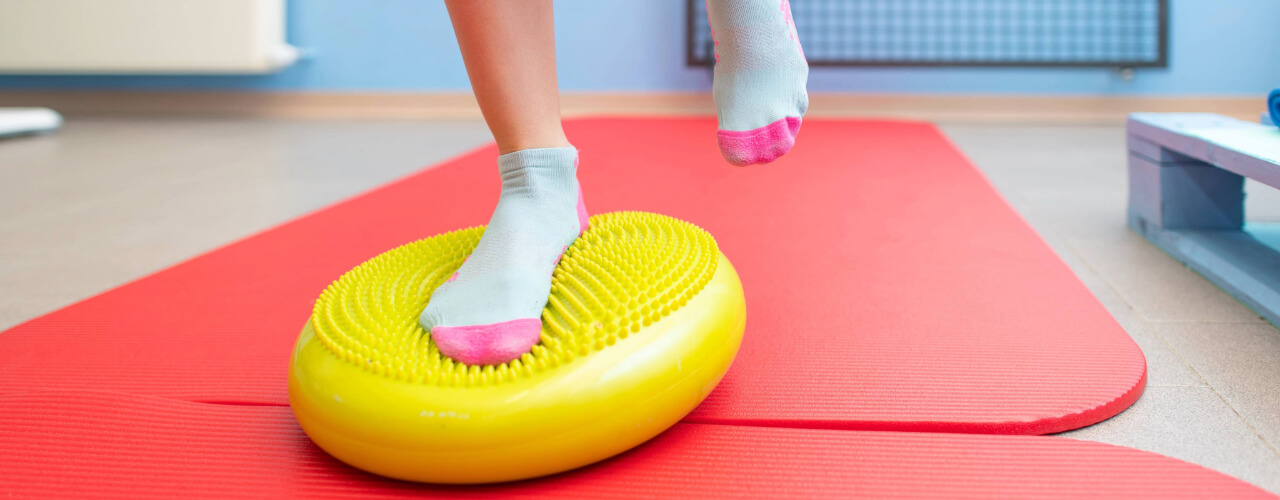
Dizziness, unsteadiness, and frequent falls can make everyday activities feel daunting. These symptoms, often caused by vestibular disorders, can significantly impact your quality of life. Vestibular rehabilitation offers a solution by addressing the root causes of balance issues through targeted therapy. At Odyssey Health Care, we specialize in helping patients regain stability and confidence with personalized vestibular rehabilitation programs.
Why Vestibular Rehabilitation Is Essential
The vestibular system, located in the inner ear, plays a critical role in maintaining balance and spatial orientation. When this system is disrupted by conditions like benign paroxysmal positional vertigo (BPPV), vestibular neuritis, or Ménière’s disease, patients may experience symptoms such as dizziness, vertigo, and blurred vision.
Other symptoms commonly addressed by vestibular rehabilitation include:
- Unsteadiness or difficulty walking.
- Trouble focusing on objects while moving.
- Frequent falls or a fear of falling.
These challenges can interfere with work, social activities, and overall well-being. Vestibular rehabilitation is designed to address these issues, allowing patients to regain control over their movements and improve their quality of life.
The First Step: A Thorough Evaluation at Odyssey Health Care
Effective vestibular rehabilitation begins with a comprehensive evaluation to understand the patient’s unique needs. At Odyssey Health Care, this initial assessment includes:
Medical History Review:
- Gathering information about previous injuries, surgeries, or health conditions that may contribute to vestibular dysfunction.
Symptom Assessment:
- Discussing the patient’s experiences with dizziness, vertigo, or unsteadiness and identifying potential triggers.
Balance and Movement Tests:
- Evaluating posture, gait, and coordination to pinpoint areas of weakness or instability.
Trigger Identification:
- Determining specific motions or visual stimuli that provoke symptoms, such as head movements or rapid visual changes.
This detailed evaluation ensures that each patient’s treatment plan is tailored to their unique challenges and goals.
Components of a Vestibular Rehabilitation Program
Vestibular rehabilitation is a multi-faceted approach designed to promote recovery and restore function. Key components include:
Habituation Exercises:
- These exercises involve controlled exposure to movements or environments that trigger dizziness. Over time, the brain adapts to these triggers, reducing their impact on symptoms.
Gaze Stabilization:
- This technique focuses on improving visual stability during head movements, allowing patients to maintain clear vision while walking, turning, or engaging in daily activities.
Balance Retraining:
- Balance exercises help strengthen the connection between the vestibular system and other sensory systems, improving coordination and reducing the risk of falls.
Functional Training:
- These exercises are designed to simulate real-life activities, such as climbing stairs, navigating crowded spaces, or reaching for objects, helping patients regain confidence in their movements.
What to Expect During Therapy Sessions
At Odyssey Health Care, vestibular rehabilitation sessions are collaborative and adaptive to the patient’s progress. During therapy, patients can expect:
Goal-Setting Discussions:
- Your therapist works closely with you to establish clear and achievable objectives for your recovery.
Gradual Progression:
- Exercises are introduced at a comfortable pace, allowing you to build strength and stability without overwhelming your system.
Regular Adjustments:
- Treatment plans are adjusted based on feedback and improvements, ensuring the program remains effective and aligned with your needs.
Our physical therapists also provide education on symptom management and strategies for preventing future episodes of dizziness or imbalance.
Find Your Balance with Odyssey Health Care
Vestibular disorders can disrupt your life, but with the right care, you can regain control and confidence. Vestibular rehabilitation at Odyssey Health Care offers a personalized approach to managing dizziness, improving balance, and enhancing overall well-being.
If you’re experiencing symptoms related to vestibular dysfunction, don’t wait to seek help. Contact Odyssey Health Care today to schedule an evaluation and discover how vestibular rehabilitation can transform your quality of life and help you move with ease again!