

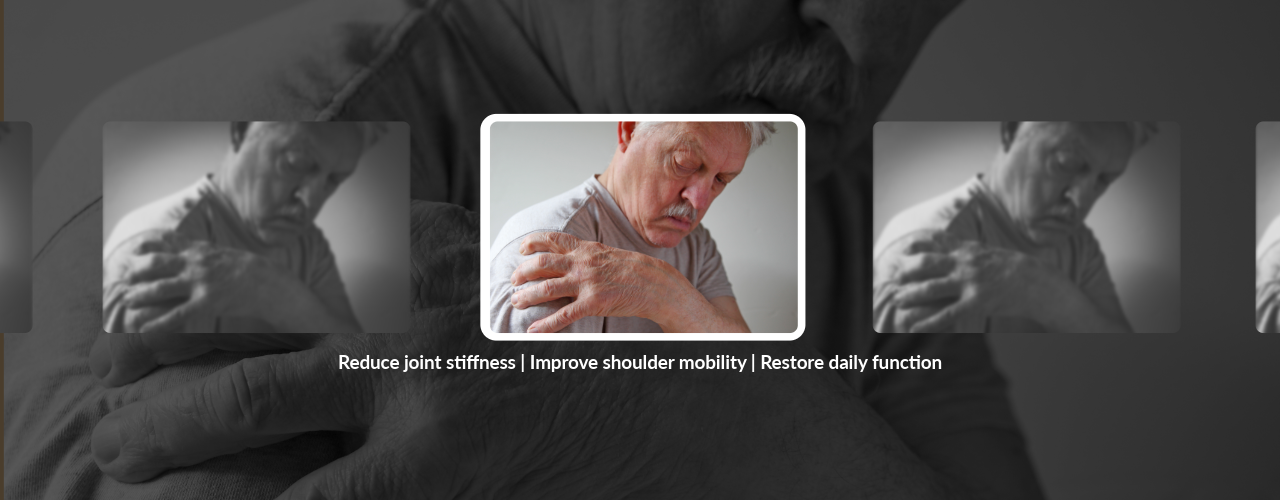
Arthritis in the shoulder often develops gradually. Many people notice stiffness or discomfort long before they suspect arthritis. As the condition progresses, mobility becomes more limited and daily activities feel harder to manage. Understanding how arthritis in shoulder joints begins, what symptoms signal progression, and when to seek help supports better long-term function.
Common Questions About Shoulder Arthritis
What Does Arthritis in the Shoulder Feel Like at First?
Early arthritis in the shoulder often feels subtle. People may notice stiffness when reaching overhead or behind the back. Discomfort may appear after activity rather than during it.
Early symptoms often include:
- Mild shoulder stiffness
- Aching after use
- Reduced comfort with reaching
- Tightness after rest
Because symptoms improve with movement early on, many people dismiss them.
How Does Shoulder Arthritis Progress Over Time?
As arthritis in the shoulder progresses, joint surfaces lose smooth movement. This change increases friction and irritation during daily motion.
Progression often leads to:
- Increased stiffness that lasts longer
- Pain during everyday tasks
- Reduced range of motion
- Difficulty lifting or reaching
- Discomfort that no longer improves with rest
Mobility limitations often increase gradually rather than suddenly.
What Types of Pain Are Common With Arthritis in Shoulder Joints?
Pain from arthritis in the shoulder joints varies. Some people feel a deep ache, while others notice sharp discomfort with certain movements.
Common pain patterns include:
- Aching deep within the shoulder
- Discomfort during lifting or reaching
- Pain that worsens with repetitive use
- Night discomfort that disrupts sleep
Pain patterns often change as arthritis progresses.
Why Does Shoulder Arthritis Limit Movement?
Arthritis affects the joint surfaces and surrounding structures. As cartilage wears down, joint motion becomes less smooth. The body responds by tightening surrounding muscles to protect the joint.
This protective response increases stiffness and reduces range of motion. Over time, limited movement reinforces joint restriction and weakness.
When Does Shoulder Arthritis Start to Affect Daily Life?
Arthritis in the shoulder begins affecting daily life when simple tasks feel difficult. Activities such as dressing, grooming, driving, or reaching into cabinets may require extra effort.
Reduced shoulder mobility often leads people to compensate with the neck, upper back, or opposite arm. These compensations increase strain and discomfort elsewhere.
When Should Someone Seek Professional Help?
People should seek care when experiencing shoulder symptoms:
- Persist for weeks or months
- Gradually worsen
- Limit daily activities
- Disrupt sleep
- Reduce confidence with movement
Early evaluation helps manage symptoms and slow progression.
How Physical Therapy Helps Manage Arthritis in Shoulder Joints
Physical therapy focuses on preserving movement, strength, and function. Our physical therapists assess joint mobility, muscle strength, and movement patterns that influence shoulder stress.
Care often includes:
- Mobility exercises to maintain joint motion
- Strengthening to support shoulder mechanics
- Education on activity modification
- Strategies to reduce joint strain during daily tasks
This approach helps people stay active and independent.
How Our Team at Odyssey Health Care Supports Shoulder Arthritis Care
Our team helps patients manage arthritis in the shoulder through movement-focused care. Our physical therapists guide patients through strategies that protect joint health and support daily activity needs.
Treatment plans emphasize education, strength, and mobility to help patients move with greater confidence.
Take the Next Step Toward Better Shoulder Function
Arthritis in the shoulder can limit mobility and worsen gradually. Recognizing early symptoms and understanding progression helps protect long-term function.
If shoulder stiffness or pain affects your daily activities, contact Odyssey Health Care to learn how our physical therapists can help manage arthritis in shoulder joints and support continued movement.