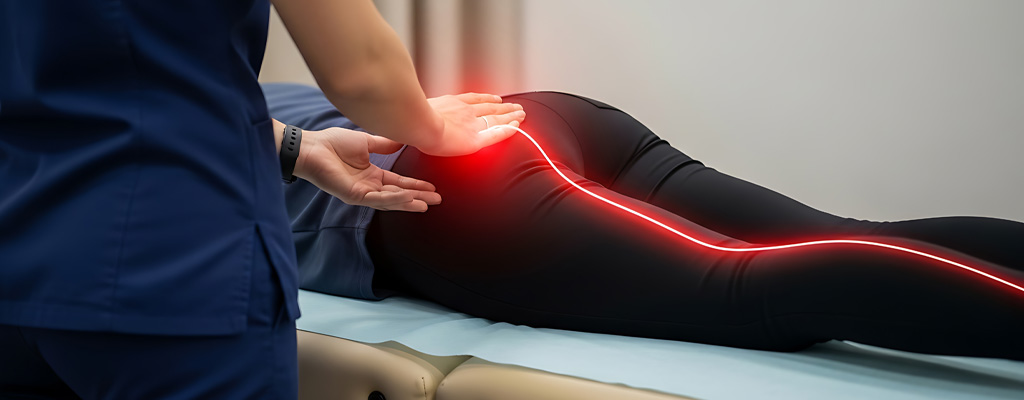


A Comprehensive Look at How Posture Affects the Shoulder
Understanding the connection between everyday posture, shoulder discomfort, and moving with greater confidence.
Posture plays an important role in how your shoulders move, feel, and function throughout the day.
At Odyssey Health Care, we understand that shoulder discomfort can affect everything from working at a desk to reaching overhead, exercising, and completing everyday activities. The way you hold your head, neck, and upper back can influence the position and movement of your shoulders.
Learning how posture affects the shoulder can help you recognize potential contributing factors and understand when professional guidance may be helpful.
How Posture Impacts the Shoulder
Small changes in head, neck, and upper-back positioning can influence the way the shoulder moves.

When we maintain poor posture, such as slouching or hunching over a computer, the shoulders can roll forward and the upper back can become rounded. These positions may change how the shoulder blade moves and how the muscles surrounding the shoulder work together.
Over time, staying in one position for extended periods may contribute to muscle fatigue, stiffness, and discomfort. Posture is only one possible factor in shoulder pain, however, and symptoms can also be influenced by activity levels, injuries, strength, mobility, and other conditions.
Signs Your Posture May Be Affecting Your Shoulders
Rounded Shoulders
Your shoulders tend to roll forward, particularly while sitting, using a computer, or looking down at a phone.
Neck and Upper-Back Tension
You notice tightness or fatigue around your neck, upper back, or shoulders after spending time in one position.
Discomfort With Movement
Reaching overhead or performing everyday tasks feels uncomfortable or more difficult than usual.
Supporting Better Shoulder Movement
Improving shoulder comfort often means looking beyond posture alone and considering how the whole upper body moves.
Physical therapy can help identify factors that may be contributing to shoulder discomfort. A physical therapist can assess posture, shoulder and upper-back mobility, muscle strength, movement patterns, and the activities that aggravate your symptoms.
Based on your needs, your plan may include a combination of approaches designed to improve comfort, mobility, strength, and confidence with everyday movement.
Posture Education
Learn how your everyday positions may affect your comfort and how to vary your posture throughout the day. There is no single perfect posture to maintain all the time; regular movement and position changes can be helpful.
Mobility and Flexibility
Exercises may address restrictions in the shoulder, chest, and upper back to support more comfortable movement based on your individual assessment.
Strength and Control
Targeted exercises can help build the strength and coordination of the muscles that support the shoulder blade and shoulder joint.
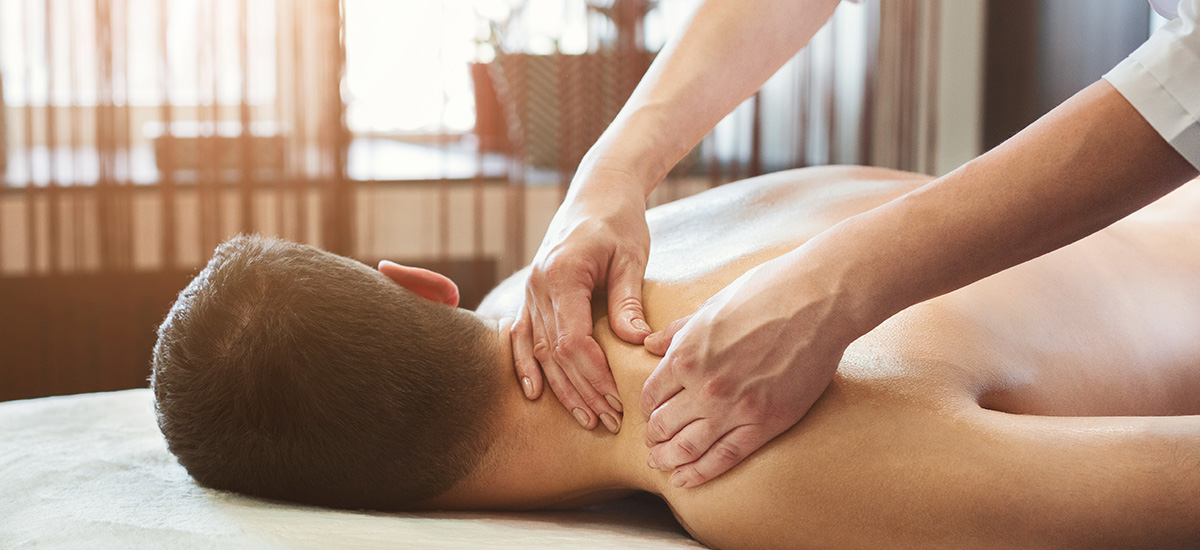
Hands-On Techniques
When appropriate, a physical therapist may use manual therapy to address mobility limitations or discomfort alongside active exercise and movement training.
Give Your Shoulders the Support They Deserve
Paying attention to your posture, taking movement breaks, and building strength can all be useful parts of supporting shoulder health. If shoulder discomfort is persistent, worsening, or limiting your daily activities, a professional assessment can help you better understand what may be contributing to your symptoms.
At Odyssey Health Care, our team can help you explore an approach tailored to your needs and goals.
Schedule an Appointment
Prone Arm
Reach Back
Strengthen your shoulders and rear delts with a controlled movement that targets the muscles supporting your upper back and shoulder blades.
How to Perform It
Lie face down on an exercise table with your upper chest supported and both arms hanging straight down off the sides, holding a light weight in each hand. With palms facing in, slowly raise your arms backward toward your hips in a sweeping motion, keeping them close to your body. Squeeze your shoulder blades together at the top, then lower your arms back down with control.
Movement Breakdown
Set Your Position
Lie face down on an exercise table with your upper chest supported. Let both arms hang straight down off the sides while holding a light weight in each hand, palms facing inward.
Reach Back
Slowly sweep your arms backward toward your hips, keeping them close to your body. Squeeze your shoulder blades together at the top of the movement.
Lower With Control
Slowly lower your arms back to the starting position. Keep the movement controlled rather than letting the weights drop.
Roasted Brussels Sprouts with Pomegranate
Ingredients
- 1 1/4 pounds Brussels sprouts, trimmed and halved
- 2 tablespoons canola oil
- Kosher salt and freshly ground pepper
- 3 tablespoons pomegranate molasses
- Seeds from 1 pomegranate
- 1/2 cup coarsely chopped toasted hazelnuts
- Finely grated zest of 1 lime
- 1 tablespoon finely grated orange zest
Instructions
Preheat the oven to 375 degrees F. Put the Brussels sprouts in a medium roasting pan; toss with the canola oil and season with salt and pepper. Roast in the oven until light golden brown and a knife inserted into the centers goes in without any resistance, about 45 minutes. Transfer the sprouts to a large bowl and add the pomegranate molasses, pomegranate seeds, hazelnuts, and lime and orange zest. Season with salt as needed.

Don’t Let Pain Hold You Back
Whether you’re visiting us for the first time or continuing your care, Odyssey Health Care is here to help you move better, feel stronger, and get back to what you love. Schedule an appointment today and take the next step toward feeling your best!
Call today or click below to schedule an appointment!

Innovative Approaches to Physical Wellness this Thanksgiving Season
Thanksgiving is more than just a day of feasting; it’s a time to come together and celebrate what we’re thankful for. While traditional advice often emphasizes the basics, let’s elevate your approach to physical well-being this season with these cutting-edge tips:
Three Ways to Support Your Well-Being This Thanksgiving
Dynamic Warm-Up Before the Turkey Trot
If you’re planning a Thanksgiving morning run or family games, forget old-school stretching. Use a dynamic warm-up to prep your muscles and boost your range of motion.
Text Neck Prevention
As we catch up on social media or text friends and family Thanksgiving wishes, “text neck” can be a real issue. Counteract this by sitting tall or not at all and doing neck stretches every hour.
Mindfulness Through Movement
Instead of sitting to meditate or relax, try combining mindfulness with gentle movements like Tai Chi or a light stroll through the neighborhood.
Make Your Well-Being Part of the Celebration
Embrace your health by prioritizing your physical and mental well-being to ensure you have the best Thanksgiving yet!